Table of contents
The rapid expansion of artificial intelligence tools is fundamentally transforming the landscape of creative industries. With nearly unlimited access to these resources, artists, designers, writers, and musicians are discovering new ways to innovate and produce content at unprecedented speeds. Delve into the following sections to explore how this technological surge is reshaping creativity, collaboration, and the future of artistic expression.
Democratizing creative opportunities
Unlimited access to AI tools is rapidly transforming the landscape of creative industries by driving creative democratization and enabling individuals from varied backgrounds to participate actively in content creation. AI-powered creativity offers accessible technology that drastically lowers the entry barriers, empowering solo creators and small teams to compete on a level previously reserved for large studios and established enterprises. Through decentralized production models, these tools facilitate the seamless generation, refinement, and distribution of creative works, which previously required substantial financial investment or technical know-how. As a result, new markets open up to diverse voices, fostering innovation and a broader cultural spectrum within the creative industries.
This democratization of creativity is closely tied to the ongoing digital transformation sweeping across the sector. With advanced AI solutions readily available, creators can leverage intelligent design, writing assistants, and generative algorithms to realize ideas that might otherwise remain dormant. These developments not only encourage experimentation and novel artistic expressions but also challenge traditional power structures by shifting influence toward independent creators. As accessible technology continues to evolve, it is expected that creative democratization will further accelerate, reshaping how content is conceived, produced, and consumed in a more inclusive and dynamic creative economy.
Accelerating content production
New advancements in AI content creation have revolutionized how creative industries approach projects, enabling rapid prototyping and streamlining digital workflow automation across music, visual arts, writing, and multimedia. Generative design allows creators to move from concept to completion at unprecedented speeds, significantly enhancing creative productivity. This technology automates repetitive tasks such as formatting, sound mixing, and image rendering, freeing professionals to focus on high-level creative decisions. Real-time editing features empower teams to iterate quickly, responding to feedback moments after it is received and refining output without lengthy delays.
With these capabilities, creative professionals can manage larger volumes of work, respond flexibly to market demands, and experiment with new ideas at a fraction of the traditional cost and time. Automation tools empower content producers to maintain consistent quality across multiple platforms and formats, while collaborative digital environments facilitate seamless integration of team contributions worldwide. For a comprehensive description of how these technologies are implemented in the creative sector, you can refer to description, which offers further insights about digital innovation in this domain.
Enhancing creative collaboration
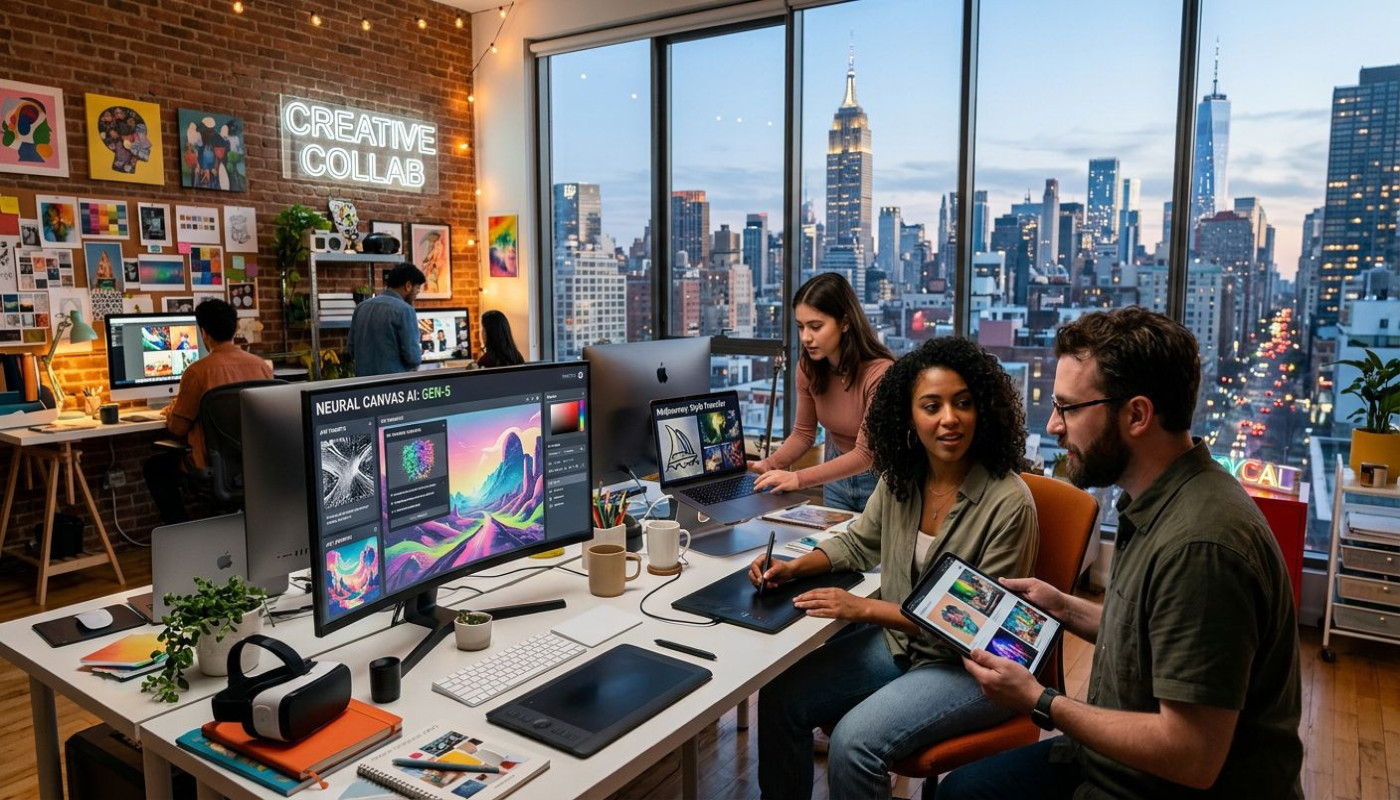
Unlimited access to AI tools is transforming the landscape of creative industries by enabling augmented collaboration, which blends human ingenuity with advanced machine capabilities. AI collaboration now allows creators from across the globe to participate in virtual co-creation environments, where physical boundaries are no longer a limitation. Digital brainstorming sessions, powered by intelligent algorithms, can generate fresh perspectives and inspire creative teamwork among diverse professionals. This dynamic has led to a surge in cross-disciplinary projects, where individuals from different fields leverage AI to bridge gaps in knowledge and methodology, amplifying collective innovation. The result is a vibrant ecosystem of collaborative innovation, where human creativity and artificial intelligence work in tandem, pushing the boundaries of what can be achieved in creative industries.
Redefining originality and authorship
Unlimited access to AI tools is transforming creative industries, leading to a continuous evolution of how originality and authorship are perceived. The emergence of algorithmic authorship challenges established ideas about creative originality, as AI-generated content often blurs the distinction between human and machine contributions. This shift has prompted ongoing adjustments in intellectual property law, with policymakers and courts debating who holds the rights to works created through AI authorship. Digital ethics now plays a greater role in assessing the fairness of crediting creators, determining liability, and recognizing the unique nature of collaborative works between humans and artificial intelligence. As the volume of AI-generated content increases, the adaptation of legal frameworks becomes more pressing to ensure that creative ownership is clearly defined and protected in a digital landscape where boundaries are increasingly fluid.
The integration of AI into creative processes also raises challenging ethical questions about transparency, consent, and attribution. Stakeholders must consider not only the legal status of works produced by algorithmic authorship, but also the broader impact on cultural value and the incentives that drive human innovation. Intellectual property law must respond to these realities by refining criteria for authorship and originality, ensuring responsible stewardship of creative assets. The collaboration between legal experts, technologists, and artists is vital for developing balanced digital ethics that support both innovation and respect for individual contributions in the era of AI-driven creativity.
Shaping the future of creativity
Ongoing AI-driven innovation is rapidly transforming the future of creativity, introducing unprecedented possibilities for immersive content and personalized art across multiple creative industries. Creative forecasting, a practice embraced by futurists specializing in creative sectors, predicts that as AI tools become increasingly sophisticated and accessible, artists and businesses will unlock new modes of expression, audience engagement, and storytelling. Personalized experiences, from tailored media streams to interactive art installations, are set to become standard, allowing creators to cater to diverse preferences while enhancing emotional resonance with audiences. This evolution signals a creative disruption that both challenges and elevates traditional workflows, requiring adaptation to new collaborative models between human creativity and machine intelligence.
Despite these promising developments, the shift towards unlimited access to AI tools also presents significant hurdles for creators and industries alike. Intellectual property concerns, biases embedded within AI-generated content, and the risk of homogenization in artistic output are all potential obstacles that could influence the trajectory of creative forecasting. Furthermore, audiences may grapple with distinguishing authentic artistic voices from algorithmically produced works, reshaping perceptions of originality and value in the arts. Ultimately, the interplay of opportunity and challenge will shape the ongoing narrative of AI’s impact, positioning the future of creativity as both an exhilarating and complex frontier for artists, innovators, and consumers.
Similar articles

Exploring The Benefits Of Comprehensive Tax Filing And Accounting Services

How Do Global Corporate Filings Enhance Business Transparency?
How Modern Intellectual Property Firms Are Adapting To Global Changes?
Why Instant Checkout Links Are Game-changers In Live Selling?

Understanding The Impact Of Crypto Licensing On Canadian Businesses

Blockchain beyond cryptocurrencies the potential for distributed ledger technology in trade finance
